
P-3 Visa Attorney for Artists and Entertainers
Bringing Culturally Unique Performances to U.S. Audiences
Whether you are an organization sponsoring a performer or an artist ready to take the stage in the United States via an American sponsor, the P-3 visa is what stands between months of preparation and the performance itself.
With more than 20 years of experience in immigration law, Attorney Federico B. Serrano prepares each P-3 petition to show USCIS exactly why the art form qualifies.
Why Choose Serrano Immigration
Petitions Built on Evidence, Not Guesswork.
P-3 cases are won or lost on how clearly the petition explains the cultural uniqueness of the art form, the performance program, and the artist’s role. We prepare each filing with that standard in mind.
-
20+ Years of Focused Experience
Experienced immigration guidance for artists, entertainers, groups, sponsors, and complex nonimmigrant petitions. -
Personal Understanding
We organize expert letters, press materials, cultural documentation, contracts, itineraries, and sponsor records. -
Both Sides of the Petition
We help U.S. sponsors, organizations, agents, and performers understand their role in the petition. -
Clear Communication
Straightforward guidance and bilingual support in English and Spanish.
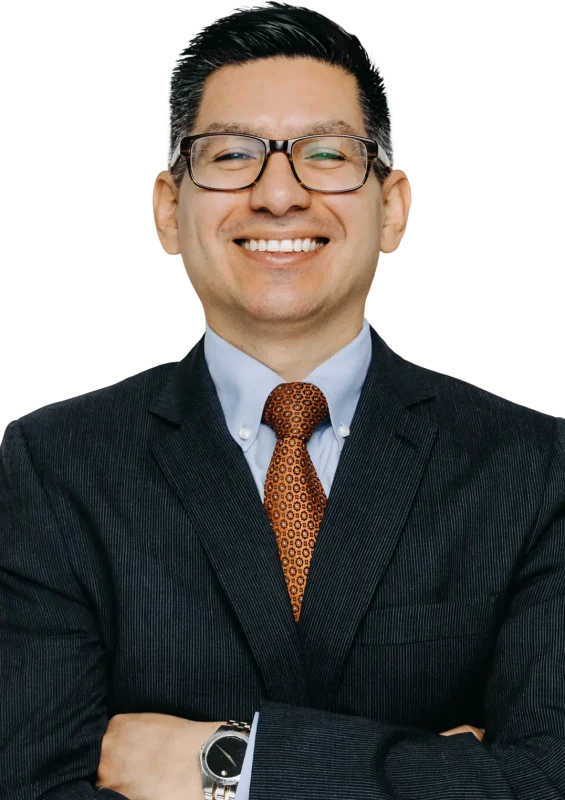
Attorney | Federico B. Serrano
What You Need to Know
What Is the P-3 Visa?
The P-3 visa is a temporary nonimmigrant visa for artists and entertainers coming to the United States individually or as part of a group to perform, teach, coach, develop, interpret, or represent a culturally unique program. The program may involve ethnic, folk, cultural, musical, theatrical, or artistic work.
A P-3 petition is generally filed on Form I-129 by a U.S. employer, sponsoring organization, or agent. USCIS reviews whether the performance is culturally unique, whether the artist qualifies, and whether the event or activity fits the P-3 category. Careful evidence preparation can help reduce the risk of RFEs or denials.
What "Culturally Unique" Means
A culturally unique program is tied to a specific country, nation, society, class, ethnicity, religion, tribe, region, or other identifiable group. It does not always have to be ancient or traditional; in some cases, a hybrid or fusion art form may qualify if the cultural connection is clearly documented.
To secure approval, the petition should explain the cultural background of the art form, the performer’s training or experience, the purpose of the U.S. event, and how the performance helps present or develop that cultural tradition.
Common qualifying art forms include:
- Folk & Indigenous: Traditional music, theater, or dance.
- Regional Traditions: Formats like Mariachi, marimba, Andean, or flamenco.
- Classical Forms: Traditional Indian, West African, or East Asian arts.
- Fusion or Hybrid Cultural Programs: Modern work may qualify when it remains rooted in a clearly documented cultural tradition.
Who May Qualify?
A P-3 case has two sides: the artist or group coming to perform, teach, or coach, and the U.S. petitioner
that files the case. Both sides must be documented clearly.
Artist & Entertainer Requirements
- Perform, teach, or coach a culturally unique art form
- Come individually or as part of a group.
- Authentic, documented skill in the art form
- A foreign residence the applicant does not intend to abandon.
Sponsoring Organization Requirements
- Be an eligible petitioner — a U.S. employer, sponsoring organization, or agent
- Ability to compensate or support the artist
- A contract, and an itinerary for multi-city performances
- A written labor consultation supporting the petition.
How We Help
Guided Petitions, From Eligibility to Entry.

Evaluate Eligibility
We review the artist, group, program, sponsor, itinerary, and cultural evidence before the petition is filed.

Guide the Full Process
We help U.S. petitioners and artists move from case strategy to filing, consular processing, or change of status.

Secure the Labor Consultation
We help identify and organize the required advisory opinion or labor consultation when it applies.

Respond to RFEs
If USCIS questions cultural uniqueness, evidence, itinerary, or sponsorship, we prepare a focused response.

Manage Extensions and
Employer Changes
We help with extensions, amended petitions, and new-employer filings when performances or sponsors change.

Assemble the Petition and Evidence
We organize expert letters, cultural materials, contracts, itinerary, performer documents, and sponsor evidence.
Our P-3 Visa Services
P-3 Solutions Tailored to Your Performance and Your Sponsor
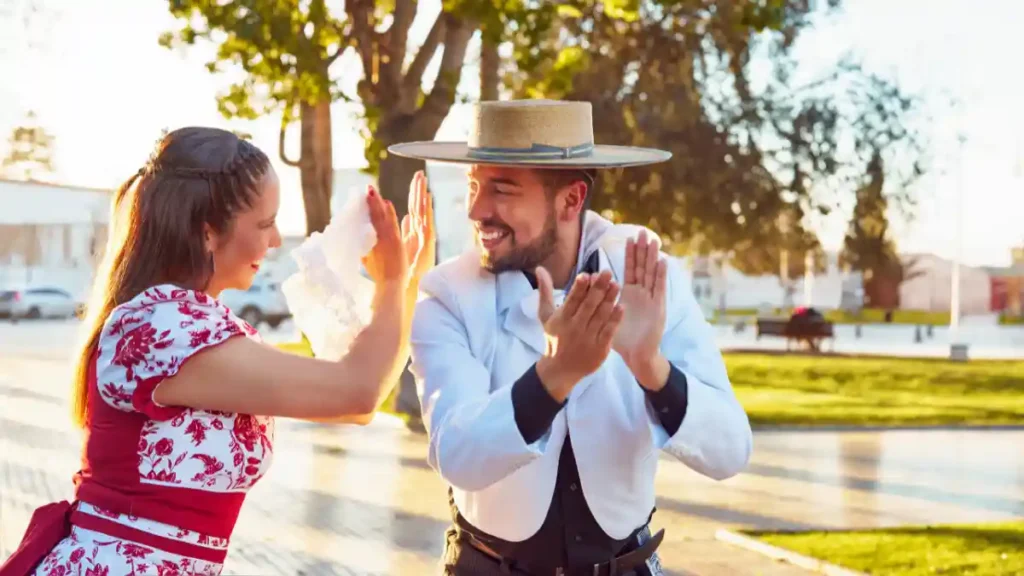
From a solo touring artist to a full ensemble with a U.S. sponsor, we prepare P-3 cases around the performance, the cultural tradition, the itinerary, and the evidence USCIS needs to see.
Individual & Group Petitions
P-3 filings for solo artists, ensembles, and touring performance groups.
Sponsor & Petitioner Guidance
Help for the U.S. organizations, festivals, and cultural
nonprofits that file the petition.
P-3S Essential Support Personnel
P-4 Dependent Visas
Derivative status for spouses and unmarried children
under 21 who accompany the artist.
Advisory Opinion & Evidence Strategy
RFEs, Extensions & Employer Changes
Client Testimonials
Trusted by Artists, Groups, and the Organizations That Sponsor Them
Amazing team! Both worked exceptionally hard on our organization’s visa application and helped us every step of the way. We were very pleased with their dedication, and eventually it was approved. Thank you again!
– Aldie, VA
The Immigration Law Office of Federico Serrano is professional, very thorough, and responsive—very knowledgeable and experienced. This law firm is very committed and responsible in handling the cases.
– Rapidan, VA
Excellent service, very professional and ready to help with any questions. I worked with them on my visa process, and in both cases it was successful; now I have a green card with my husband. Everything went smoothly because we provided everything we could. We more than recommend working with the Federico B. Serrano Law Office
– Rochelle, VA
FAQs About P-3 Visas
Got Questions? We’re Here to Help.
Who qualifies for a P-3 visa?
The P-3 visa is for artists and entertainers coming to the United States, alone or as a group, to perform, teach, or coach under a culturally unique program. The work can be commercial or noncommercial, but it must develop, interpret, represent, or teach an ethnic, folk, cultural, musical, theatrical, or artistic form, and the events must further the understanding of that art form. Essential support staff and dependents can be included through related classifications.
What does "culturally unique" mean, and do fusion art forms qualify?
“Culturally unique” means an artistic expression, method, or medium distinct to a particular country, society, or heritage. It is not limited to ancient traditions—a hybrid or fusion art form that blends more than one culture can qualify when the evidence clearly ties it to an identifiable cultural tradition. Establishing this is a case-by-case determination that rests heavily on detailed, specific expert documentation.
Can an artist file their own P-3 petition?
No. The P-3 petition cannot be self-filed. Form I-129 must be submitted by a U.S. employer, a U.S. sponsoring organization, a U.S. agent, or a foreign employer acting through a U.S. agent. This is why much of a strong P-3 case is built on the sponsor’s side, and why organizations that regularly host cultural performers benefit from preparing their filings carefully.
What evidence is required for a strong P-3 petition?
Every P-3 petition needs a written consultation (advisory opinion) from an appropriate labor organization, plus either affidavits and/or letters from recognized experts attesting to the authenticity of the performer’s skills, or published documentation — reviews in newspapers, journals, or other materials — showing the performance is culturally unique. A copy of the contract is required, and an itinerary is needed when performances span multiple locations.
How long is a P-3 visa valid, and can it be extended?
A P-3 is approved for the time needed to complete the event, activity, or performance, up to a maximum of one year. It can be extended in increments to continue or complete the same event for which the artist was admitted. When timing is tight, premium processing may be available to expedite USCIS’s decision on the underlying petition.
Can essential support staff and family members come too?
Yes. Essential support personnel who are integral to the performance and provide services a U.S. worker cannot readily perform qualify for P-3S status through a separate Form I-129. The artist’s spouse and unmarried children under 21 may apply for P-4 status, which lets them live in the United States and attend school, though it does not authorize them to work.
Can a P-3 visa lead to a green card?
The P-3 itself is a nonimmigrant visa, which means applicants must maintain a foreign residence and show they intend to return home after the program. Pursuing permanent residence is a separate process under a different immigrant category, and a P-3 holder who later becomes eligible would file accordingly. We can review whether another path fits your long-term goals during a consultation.
What happens if we receive a Request for Evidence or a denial?
Most P-3 problems trace back to expert letters that assert cultural uniqueness without explaining it, or thin documentation of the art form. A Request for Evidence (RFE) is an opportunity to fix that with specific, well-supported proof, and a denial can be appealed. Experienced preparation up front is the most reliable way to avoid both.
Our Purpose
Bring Your Cultural Performance to the U.S. Stage
A P-3 case can feel like a maze of evidence rules, sponsor requirements, consultations, and deadlines. We help artists, groups, and U.S. petitioners prepare a clear case that explains the cultural value of the performance and the role of everyone involved.
Contact Us!
We are ready to assist you
- Law Office Of Federico B. Serrano P.C.
-
5697 Columbia Pike, Suite 201
Falls Church, VA 22041 - (703) 379-5303
- fserrano@serranoimmigration.com