
Consular Processing Attorney
Clear Guidance for Immigrant Visas and Consular Processing
Most immigrant visa cases involve the National Visa Center, Form DS-260, document review, and a consular interview abroad. We prepare each step carefully so your case is organized, complete, and ready for review.
Why Choose Serrano Immigration
Experienced Guidance Through Every Consular Step
Consular processing follows a strict sequence. A missing document, an incomplete DS-260, or an unresolved inadmissibility issue can delay the visa interview or final decision. We help you prepare before problems appear.
-
20+ Years of Immigration Experience
Experience across family-based, employment-based, and complex consular cases. -
Personal Understanding
Led by an attorney who personally understands the immigration journey. -
NVC and DS-260 Preparation
We organize the National Visa Center stage, review Form DS-260, and prepare your supporting documents. -
Waiver and Interview Strategy
We help identify unlawful presence, inadmissibility, and interview risks before the consular appointment. -
Clear Communication
Straightforward guidance and bilingual support in English and Spanish.

Attorney | Federico B. Serrano
What You Need to Know
What Is Consular Processing?
Consular processing is the route to an immigrant visa for people applying from outside the United States or for applicants who cannot adjust status inside the U.S. After USCIS approves the underlying petition and a visa number is available, the case usually moves to the National Visa Center and then to a U.S. embassy or consulate for an interview.
The process often includes NVC fee payments, Form DS-260, Affidavit of Support review, civil documents, a medical exam, and a consular interview. Careful preparation helps reduce the risk of document delays, interview issues, administrative processing, or visa refusal.
Consular Processing Moves Through Clear Stages
- Underlying petition approval and a current priority date
- National Visa Center document review
- The consular interview abroad
- Entrance to the United States as a permanent resident
Who May Qualify?
Consular Processing Is For:
- Applicants living outside the United States
- People who entered without inspection and may require an approved unlawful presence waiver before departing
- Anyone who does not qualify to adjust status inside the U.S.
You May Be Able to Adjust Status Instead If:
- You are physically present in the U.S. after a lawful entry
- You meet the requirements USCIS now applies to adjustment of status cases
How We Help
Support From Petition Approval
Through Your Interview

Evaluate Your Path
We confirm whether consular processing or adjustment of status is the better route for your case.

Prepare the NVC Stage
We prepare Form DS-260, Affidavit of Support materials, and civil documents for submission.

Address Unlawful Presence
If you entered without inspection or overstayed, we assess whether an I-601A provisional waiver may apply.
Resolve NVC Notices
We respond to document rejections, missing-document notices, and other NVC requests.

Prepare You for the Interview
We help you get ready for the consular interview and provide guidance on the required medical exam.

Guide the Whole Process
We support your case from petition approval through immigrant visa review and entry to the United States.
Our Immigration Services
Immigrant Visa and Green Card Services
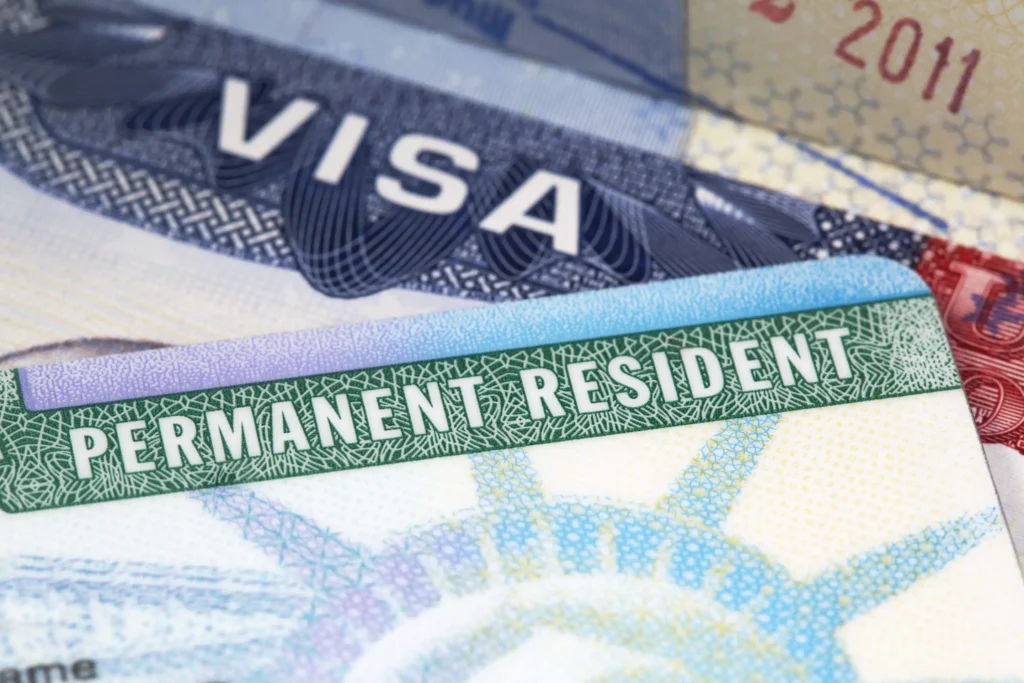
From spouse petitions to cases that require a waiver before the consular interview, we help applicants move through the immigrant visa process with clear guidance, organized documents, and careful preparation.
Marriage & Spouse Visas
Immigrant visas for spouses of U.S. citizens and permanent
residents processing abroad.
Immigrant Visa Interview Preparation
Guidance and preparation for the consular interview, medical exam steps, and essential document review
Unlawful Presence & I-601A Waivers
K-1 Fiancé(e) Visas
Bringing a fiancé(e) to the U.S. for marriage.
U.S. Citizenship & Naturalization
Support through the citizenship process after permanent residence.
Client Testimonials
Trusted by Families Through
the Immigrant Visa Process
I want to express my sincerest thanks to the office for the excellent work on my immigration case. From the very first moment they were clear about the whole process, which gave me confidence and peace of mind. At every stage they stayed in communication, explaining my case’s progress and answering all my questions with patience and professionalism.
Client – Annandale, VA
Federico Serrano: an excellent person, excellent work, unmatched service. An expert in immigration cases—direct and trustworthy, always attentive and overseeing the entire process. I recommend him with the highest rating
Client – Sterling, VA
The best lawyer I’ve ever talked to and consulted with. He answered all my questions with respect and kindness and found every option that could work for my case and situation. He’s really helpful and informative—I could feel the professionalism and work ethic in how he interacted with me. I’m beyond thankful to have known him.
Client – DMV
FAQs About Consular Processing
Got Questions? We’re Here to Help.
What is consular processing and who is it for?
A consular processing is how a person obtains an immigrant visa and green card through a U.S. embassy or consulate abroad. It applies to applicants who live outside the United States, and to people inside the country who entered without inspection or otherwise cannot adjust their status from inside the United States. The case starts only after USCIS approves the underlying petition and a visa number is available.
What is the difference between consular processing and adjustment of status?
Adjustment of status lets eligible applicants who are already in the United States complete the process without leaving the country. Consular processing is for applicants abroad and for those who are required to return to their home country to finish their process. Because permanent residence is ultimately a discretionary form of relief and eligibility, up-to-date standards are highly scrutinized under current guidelines, evaluating which path safely applies to your specific case is one of the very first things we do.
What are the steps in consular processing?
After USCIS approves your underlying petition (Form I-130 for family cases or Form I-140 for employment cases) the case moves to the National Visa Center. Once your priority date becomes current, you may submit Form DS-260, the Affidavit of Support, and your civil documents. Once the file is complete, the consulate schedules your interview, and if the visa is approved, you enter the United States as a permanent resident.
What is Form DS-260 and who files it?
Form DS-260, the Application for Immigrant Visa and Alien Registration, is the official electronic form that consular processing applicants file online through the Consular Electronic Application Center (CEAC). It is reviewed by the National Visa Center (NVC) rather than USCIS. Applicants who are eligible to adjust status inside the United States file Form I-485 instead.
What documents do I need for the consular interview?
Most cases require civil documents such as a birth certificate, marriage or divorce records, and a police clearance, along with the Affidavit of Support and the petitioner’s financial records. Before the interview, you also complete a medical examination with an authorized physician. Requirements vary by consulate and case, so the exact list is confirmed during preparation.
Can I get a green card through consular processing if I entered without inspection?
In many cases, yes, but entering without inspection or accruing unlawful presence creates a serious legal hurdle that must be resolved first. Certain applicants can file Form I-601A for a provisional waiver of the unlawful presence ground while still inside the United States, which significantly shortens family separation by securing a waiver before departing for the interview. Because leaving the country carries real legal risks, this must be carefully assessed by an attorney before you travel.
Does consular processing cover spouses and parents?
Yes. Spouses of U.S. citizens process abroad on immigrant visas, and parents and unmarried children under 21 of U.S. citizens are immediate relatives with no annual visa cap. Other qualifying relatives such as spouses of permanent residents or adult siblings fall under the family preference categories and wait for a visa number based on the monthly Visa Bulletin.
Do I need a lawyer for consular processing?
Consular processing is highly procedural, and the consequences of a mistake are severe. An incomplete Affidavit of Support, a misstated detail on a form, or an unaddressed unlawful presence issue can stall a case for months or trigger a long-term bar to re-entry. An attorney helps you prepare your legal forms and meticulously reviews your civil files to catch potential complications before they reach the consulate.
Our Purpose
Ready to Start Your Immigrant Visa Process?
Consular processing follows a strict sequence, and the steps you take before the interview can shape the outcome. We help prepare your DS-260, NVC documents, waiver strategy, and interview file so your family can move forward with clarity.
Contact Us!
We are ready to assist you
- Law Office Of Federico B. Serrano P.C.
-
5697 Columbia Pike, Suite 201
Falls Church, VA 22041 - (703) 379-5303
- fserrano@serranoimmigration.com