
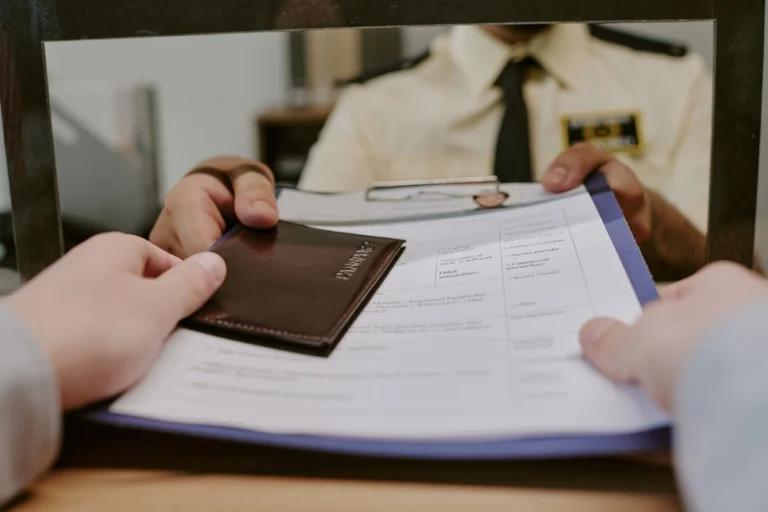
For many immigrants, the interview is the most stressful part of the entire immigration process. Applicants spend weeks preparing documents, reviewing forms, and worrying about questions that may be asked.
Then the interview ends.
Many people expect the officer to immediately say ‘approved’ or ‘denied’. Sometimes that happens. Often it does not.
In 2026, thousands of immigrants leave immigration interviews every day without knowing exactly what happens next. Some receive approvals within hours. Others wait weeks or months for updates. Some receive requests for additional evidence. Others enter administrative review.
Understanding what happens after an immigration interview ends can help reduce anxiety and prepare you for the next stage of the process.
Why the Interview Is Not Always the Final Step
Many applicants assume the interview itself determines the outcome.
In reality, the interview is often just one part of a much larger review process.
Immigration officers use the interview to:
• Verify information submitted in the application
• Assess eligibility
• Confirm supporting evidence
• Clarify inconsistencies
• Evaluate credibility
After the interview, officers frequently continue reviewing documents and conducting additional checks before making a final decision.
Possible Outcomes After an Interview
Several different outcomes are possible after an immigration interview.
Common results include:
• Immediate approval
• Approval after additional review
• Request for Evidence
• Administrative processing
• Notice of Intent to Deny
• Denial
Each outcome depends on the facts of the case and the information available to the officer.
Immediate Approval
Some applicants receive good news at the end of the interview.
The officer may indicate that the case has been approved or that approval will be issued shortly.
This often occurs when:
• Documentation is complete
• Eligibility is clear
• No inconsistencies exist
• Background checks have already cleared
Even when an officer verbally indicates approval, applicants should wait for official confirmation before making important plans.
Approval After Additional Review
A large percentage of cases are not approved immediately but are approved shortly afterward.
This happens because officers may need time to:
• Complete file review
• Finalize internal processing
• Conduct quality control checks
• Update government systems
Applicants often receive approval notices days or weeks after the interview.
Requests for Evidence After an Interview
Sometimes an officer determines that additional evidence is needed.
This may occur when:
• Documents are missing
• Financial records need updating
• Relationship evidence is insufficient
• Employment verification is incomplete
• Certain answers require clarification
Receiving a Request for Evidence does not mean denial.
It means the officer needs more information before making a final decision.
Administrative Processing
Administrative processing is one of the most misunderstood outcomes.
After an interview, some cases require additional review before a final decision can be made.
This may involve:
• Security checks
• Background verification
• Identity confirmation
• Document authentication
• Review by additional government agencies
Administrative processing can take weeks or months depending on the circumstances.
Background Checks Continue After the Interview
Many applicants are surprised to learn that background reviews do not always end before the interview.
Additional verification may occur afterward.
Officers may continue reviewing:
• Travel history
• Immigration records
• Criminal databases
• Security screening systems
• Prior government filings
This is one reason some applicants wait longer than others for final decisions.
Marriage-Based Cases Often Require Additional Review
Marriage-based immigration cases receive significant attention after interviews.
Officers may review:
• Interview notes
• Relationship evidence
• Joint financial records
• Residence documentation
• Prior immigration history
The goal is to confirm that the marriage is genuine and meets legal requirements.
Most legitimate couples have nothing to fear, but additional review is common.
Employment-Based Cases May Also Face Delays
Employment-based applicants sometimes assume their interviews are routine.
However, officers may still verify:
• Job offers
• Employer information
• Wage documentation
• Educational credentials
• Work history
Additional verification can extend decision timelines.
What Online Case Status Updates Mean
After an interview, applicants often check their case status daily.
Common updates include:
• Case approved
• Card being produced
• Request for Evidence sent
• Case under review
• Interview completed
Not every update appears immediately.
Government systems sometimes take days to reflect changes.
Common Mistakes Applicants Make After Interviews
Many applicants create unnecessary stress after interviews.
Common mistakes include:
• Assuming no news means denial
• Making travel plans before approval
• Ignoring requests for additional evidence
• Constantly contacting government agencies
• Failing to update contact information
Patience is often necessary after an interview.
How Long Does It Take to Receive a Decision
There is no universal timeline.
Some applicants receive decisions within hours.
Others may wait several weeks or longer.
Factors affecting timing include:
• Case complexity
• Type of immigration benefit
• Background checks
• Workload at the field office
• Requests for additional review
Every case moves at its own pace.
When Should You Be Concerned
Not every delay indicates a problem.
However, additional attention may be warranted when:
• Months pass without updates
• Requests for Evidence remain unresolved
• Administrative processing becomes unusually lengthy
• Government notices are unclear
• Case status appears inconsistent
A professional review can help determine whether action is necessary.
How an Immigration Lawyer Helps After an Interview
Legal representation does not end when the interview ends.
An immigration lawyer can help by:
• Monitoring case progress
• Interpreting status updates
• Responding to Requests for Evidence
• Addressing delays
• Communicating with government agencies when appropriate
• Preparing next steps if complications arise
Support after the interview is often just as important as preparation before it.
What Virginia Applicants Should Do After Their Interview
Once the interview is complete:
• Keep copies of all documents
• Monitor case status regularly
• Check mail carefully
• Respond quickly to any requests
• Avoid major decisions until official approval arrives
• Maintain lawful status if required
These simple steps help prevent avoidable problems.
Final Thoughts
Finishing an immigration interview is a major milestone, but it is not always the end of the process.
For some applicants, approval comes immediately. For others, additional review occurs behind the scenes before a final decision is issued. Understanding what happens after the interview allows applicants to stay calm, informed, and prepared for whatever comes next.
