
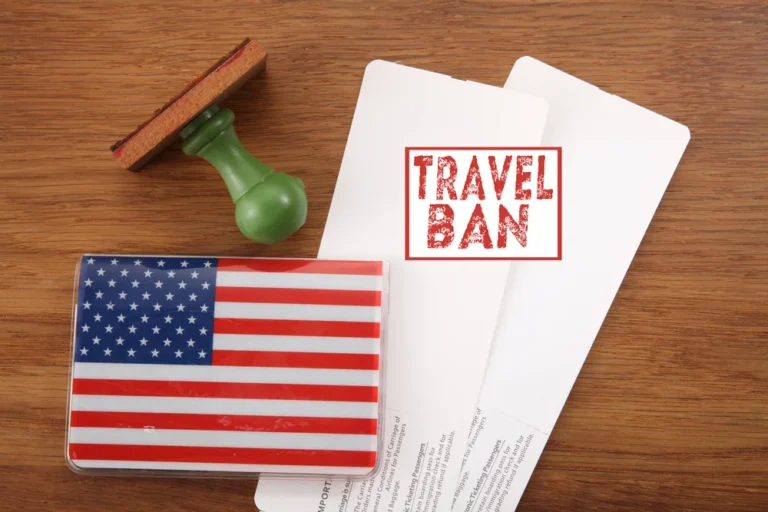
The start of 2025 brought one of the most dramatic shifts in the United States immigration system in recent years. The Trump administration announced a new series of restrictions that pause or slow immigration processing for applicants from certain high-risk countries. These restrictions impact visas, green cards, work permits, family sponsorships, and even naturalization cases.
For immigrants living in Virginia, especially those from affected countries, this announcement has created confusion and worry. Families are unsure whether they can continue their immigration journey. Students fear losing status. Workers wonder if travel is safe. Relatives waiting abroad feel stuck and uncertain.
This guide explains what these restrictions mean, who is affected, what you should do next, and how to stay legally protected in Virginia under the new rules.
This article is based on verified reporting from major national sources, including Reuters, The Washington Post, The Guardian, CBS News, and updated policy notices released in late 2025.
What the New Restrictions Actually Do in 2025
According to the latest announcements, the government issued a temporary pause on most immigration benefits for individuals from a list of nineteen countries. This pause includes:
- Visa processing at embassies and consulates
- Green card applications for relatives outside the United States
- Certain asylum claims
- Work visa approvals
- Naturalization applications for people who have not yet completed all steps
- Humanitarian programs under review
- Family reunification cases requiring final clearance abroad
The pause does not mean every application will be denied. It means processing is slowed or stopped until the government completes a new security screening system.
People already living inside the United States still have options, but they may face extra reviews, longer processing times, or more evidence requests.
Which Countries Are Affected
The list includes several African, Middle Eastern, and Asian nations based on updated federal risk assessments. You should check current federal announcements for the exact list, since it may expand or reduce throughout 2025. If your country appears on the list, are you automatically in danger? Not necessarily. Each case is reviewed individually, especially for those already living in the United States.
What This Means for Immigrants Living in Virginia
Virginia has a large population from countries in Africa, the Middle East, South Asia, and Latin America. Many residents hold student visas, temporary work permits, asylum status, pending green card petitions, and family sponsorship applications.
The new restrictions can affect Virginia residents in several ways:
- Processing of pending petitions may slow down.
- Travel outside the United States becomes risky if you do not have secure reentry documents.
- Cases may undergo additional security reviews that require more evidence.
- Some family members abroad may not be able to attend their interviews.
- Temporary visas might not be approved until the pause is lifted.
- Requests for Information from USCIS may become more detailed.
Even if you entered legally and follow every rule, you may still experience delays because the government is applying stricter screening to entire groups of applicants.
If You Already Filed a Case, What Happens Now
If your case is already pending at USCIS inside the United States, it will not be canceled. It may move more slowly, but it stays active. USCIS continues to review cases filed domestically, especially adjustment-of-status applications.
However, you should prepare for:
- Longer waiting times
- Requests for additional evidence
- Requests for updated civil documents
- Requests for travel or identity history
- Extra interview screening for certain applicants
This is not a reason to panic. It is a reason to prepare your paperwork thoroughly and respond quickly to every request.
What If Your Family Is Waiting Abroad
Family members outside the United States may be most affected. The new restrictions affect embassy interviews, visa printing, entry permits, and approval timelines. If your relative has not yet completed the interview, the case may pause until new screening systems are implemented.
If your family is already in the United States, their cases will continue normally.
Should You Travel Outside the United States Right Now
If you are from an affected country, avoid international travel unless absolutely necessary. The restrictions may prevent reentry, even if you have an approved visa or advance parole document.
People who should be extra cautious include:
- Students on F1 visas waiting for extension or OPT
- Workers waiting for extensions or transfers
- Green card applicants with pending adjustment
- Visitors waiting for a change of status
- Asylum seekers with pending cases
If travel is unavoidable, speak with an immigration lawyer first to assess your risk based on your immigration category and country of origin.
What You Should Do Immediately If You Are From an Affected Country
Do not wait for a letter from USCIS. Take action now to protect your legal status.
- Check the expiration of your current visa or status.
- Download your most recent I-94 record to confirm your authorized stay.
- Renew your passport if it is set to expire soon.
- Save copies of all immigration receipts and notices.
- Update your address with USCIS to avoid missed mail.
- Gather proof of your residence and ties in Virginia.
- Avoid any violations of immigration law, including unauthorized work.
- Speak with a lawyer if your documents or case have any inconsistencies.
This preparation ensures that if USCIS requests additional documentation, you can respond quickly and accurately.
How the Restrictions Affect Students in Virginia
Virginia has one of the largest student populations on the East Coast, especially in Fairfax County, Arlington, Richmond, and Virginia Beach. Students from affected countries may see:
- Delays in F1 visa renewals
- Extra verification during Optional Practical Training
- More documentation is required when applying for Program Extensions
- Travel complications during academic breaks
If you are an F1 student, keep your DSO updated and maintain flawless records. A simple paperwork mistake can become serious under stricter screening rules.
How the Restrictions Affect Workers in Virginia
Workers in technology, healthcare, construction, hospitality, and logistics may experience delays when applying for:
- H1B approvals
- H1B transfers
- Work permit renewals
- Green card sponsorship under EB categories
Employers in Northern Virginia rely heavily on international talent. This means many companies are adjusting their hiring strategies and may need legal guidance to avoid compliance issues.
How an Immigration Lawyer Helps You Navigate Restrictions
In periods of political and legal uncertainty, professional guidance becomes essential. An immigration lawyer helps by:
- Evaluating whether your country is on the affected list
- Checking your case for risk factors
- Preparing a compliance plan to avoid status gaps
- Reviewing travel plans and reentry risks
- Strengthening your pending applications with additional evidence
- Filing motions or responses if your case is paused
- Helping your family understand how restrictions affect them
Lawyers also track daily policy changes and court rulings that may alter the duration of the restrictions or how they are enforced.
Final Thoughts for Virginia Immigrants in 2025
The new restrictions are unsettling, but not hopeless. If your paperwork is in order, your status is maintained, and your evidence is strong, you can continue your immigration journey. Delays do not mean denial. Pauses do not cancel existing rights. With the correct strategy, you can stay protected. The Immigration Law Office of Federico Serrano proudly serves individuals and families across Fairfax, Loudoun, Arlington, and Prince William Counties. We help immigrants understand new laws, protect their cases, and navigate every challenge with clarity and confidence.
