
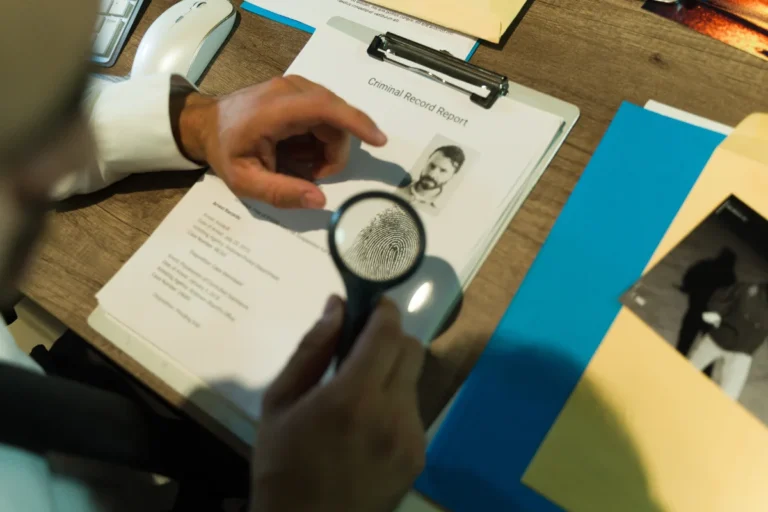
Facing an immigration process is challenging enough on its own. When a criminal record is involved, everything can change. Whether you are applying for a visa, green card, or U.S. citizenship, past arrests or convictions can affect how immigration officials evaluate your eligibility.
In Virginia, many immigrants find themselves unsure about how their criminal history will impact their immigration future. The good news is that not every charge leads to automatic denial or deportation. The key is understanding how U.S. immigration law views different types of offenses and what legal steps you can take to protect your status.
How USCIS and Immigration Courts View Criminal Records
U.S. immigration law treats criminal offenses very seriously. When reviewing any immigration case, USCIS and immigration courts look for signs of moral character, legal compliance, and honesty.
The severity of a record depends on several factors:
- The type of offense (felony, misdemeanor, or minor violation)
- Whether the conviction involved violence, drugs, or fraud
- The number of offenses and the time since the last incident
- Evidence of rehabilitation or good conduct since the conviction
Even a single conviction, if it falls under certain categories, can make a person inadmissible or deportable. However, some records can be expunged, sealed, or legally explained with proper legal representation.
Offenses That Can Affect Immigration Status
Not every criminal record leads to the same outcome. Some minor infractions might have no effect, while others can trigger immediate consequences. The following types of offenses are particularly significant under immigration law.
Crimes Involving Moral Turpitude (CIMT)
These include offenses such as theft, fraud, assault, or crimes involving dishonesty. A conviction for a single CIMT can render a person inadmissible, especially if the sentence exceeds one year.
Drug-Related Offenses
Drug convictions are among the most damaging for immigration purposes. Even minor possession charges can lead to inadmissibility or deportation, with very limited exceptions for small amounts of marijuana.
Domestic Violence and Protective Order Violations
USCIS treats domestic violence convictions, assault, or violations of protective orders as serious grounds for deportation. These cases often require immediate legal intervention.
Aggravated Felonies
Under immigration law, aggravated felonies include a wide range of serious crimes, from murder and trafficking to fraud and certain theft offenses. Conviction for an aggravated felony can permanently bar you from most immigration benefits.
How a Criminal Record Can Impact Immigration Applications
The effect of a criminal record depends on which immigration benefit you are applying for.
Green Card Applications
If USCIS determines that a conviction makes you inadmissible, your green card application can be denied. In some cases, a waiver of inadmissibility may be available if you can show rehabilitation, hardship to a U.S. citizen family member, or other compelling factors.
Naturalization or Citizenship
Citizenship applications require proof of good moral character. Certain offenses committed within the last five years can delay or disqualify your naturalization. USCIS carefully reviews your entire history, even offenses that were expunged under state law.
Work Permits or Visa Extensions
Temporary visa holders who are arrested or convicted risk having future extensions or changes of status denied. Even minor offenses can cause USCIS to question ongoing eligibility.
Removal or Deportation Proceedings
Noncitizens convicted of certain crimes may be placed in removal proceedings. Whether you can remain in the United States depends on your status, the type of conviction, and whether relief options, such as cancellation of removal, are available to you.
What If the Case Was Dismissed or Expunged
A dismissed or expunged case might still appear on your record during an immigration background check. USCIS requires applicants to disclose all arrests and charges, even if they were later dismissed or sealed. Failing to disclose a prior case is treated as misrepresentation, which, on its own, can lead to denial.
Always provide certified court documents showing the outcome of every case. Transparency builds credibility and allows your attorney to explain the situation clearly to immigration officials.
How Immigration Lawyers Help in Criminal Record Cases
An experienced immigration lawyer is essential when a criminal history is involved. They work closely with both criminal defense attorneys and immigration authorities to protect your status. Legal professionals can:
- Evaluate whether your conviction makes you inadmissible or deportable
- File waivers or post-conviction relief petitions when possible
- Obtain certified court records and explain their legal relevance
- Prepare you for interviews and hearings
- Negotiate favorable outcomes in removal cases
Having the right legal representation can mean the difference between approval and deportation.
Steps to Take If You Have a Criminal Record
If you have ever been arrested or charged, take these proactive steps before filing any immigration application:
- Gather every record of your arrest, charge, and court outcome.
- Consult with an immigration attorney before filing anything with USCIS.
- Do not rely on expungement alone — disclose everything honestly.
- Obtain certified copies of all related documents for your case file.
- Demonstrate rehabilitation through community involvement or education.
Proper preparation builds trust with immigration officers and ensures your record is presented accurately.
Mistakes Don’t Have to Define Your Future
Having a criminal record does not automatically end your immigration journey. Many immigrants in Virginia have successfully obtained green cards, visas, and even citizenship after overcoming past charges with the right legal help.
The key is honesty, preparation, and professional guidance. If you take the time to address your criminal history the right way, you can still achieve your immigration goals and protect your future in the United States. The Immigration Law Office of Federico Serrano proudly serves clients across Fairfax, Loudoun, Arlington, and Prince William Counties. Our firm helps individuals with criminal histories navigate complex immigration laws, file strong applications, and fight to remain legally and safely in the United States.
