
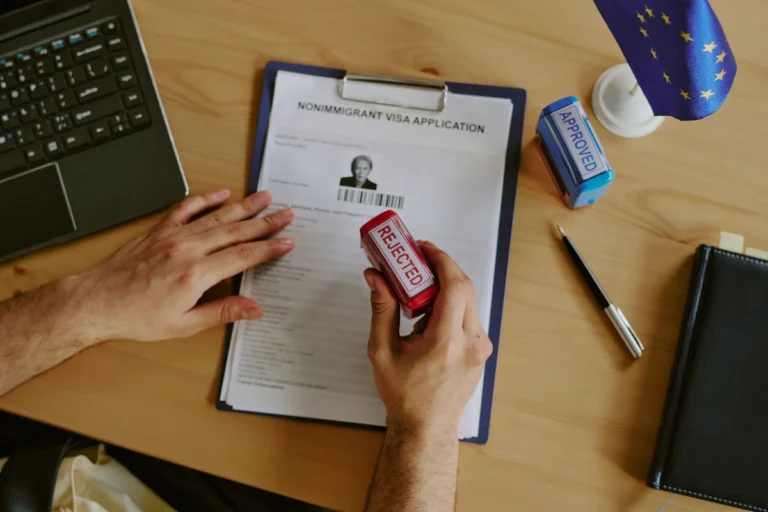
Applying for a visa, green card, or any immigration benefit is a serious legal process. For many immigrants in Virginia, this is the first step toward family reunification, work authorization, or permanent residence. But even small errors can cause months of delay—or worse, a complete denial.
In 2025, USCIS became stricter about documentation, eligibility proof, and deadlines. Understanding what leads to denials can save you valuable time, money, and opportunity. Below are the 10 most common mistakes that cause immigration applications to be denied, along with how to avoid them.
1. Submitting Incomplete Applications
One of the simplest yet most frequent reasons for denial is submitting incomplete forms. Leaving required sections blank, missing signatures, or failing to attach documents leads USCIS to reject or deny cases before review even begins.
To avoid this, always double-check every page of your application and supporting evidence before filing. Even minor omissions can reset your entire process.
2. Using Outdated USCIS Forms
USCIS frequently updates its forms. Using an older version, even if it looks identical, can lead to an automatic rejection. Always download the latest form directly from the official USCIS website, and check the edition date printed at the bottom.
3. Failing to Provide Translations for Foreign Documents
Any document not in English must include a certified translation. Applicants often forget this step when submitting birth certificates, marriage records, or police clearances from abroad. USCIS denies applications that lack proper translations, even when the documents themselves are legitimate.
4. Missing Deadlines or Biometrics Appointments
Timing matters in every immigration process. Missing submission deadlines, biometrics appointments, or interview dates can result in your application being denied or considered abandoned.
If an emergency arises, contact USCIS immediately to reschedule. Consistent communication helps preserve your eligibility.
5. Inconsistent Information Across Forms
Your immigration history should remain consistent across every application. Inconsistencies in addresses, employment dates, or prior immigration entries often trigger USCIS suspicion and Requests for Evidence.
Before filing, carefully review past forms and make sure all details match. Even honest mistakes can raise red flags.
6. Insufficient Evidence of Eligibility
Every immigration benefit requires specific documentation to prove your eligibility. Applicants who submit only the form and minimal evidence are often denied.
Examples include missing proof of relationship in family petitions, lack of tax records in green card sponsorships, or incomplete employment documentation for work visas. The stronger your evidence, the better your chance of approval.
7. Submitting False or Misleading Information
Providing inaccurate information—even unintentionally—can lead to serious consequences. USCIS treats false statements as misrepresentation, which can result in denial, deportation, or a permanent bar from future immigration benefits.
Always be truthful. If you are unsure about any part of your record, seek legal advice before submitting.
8. Ignoring USCIS Requests for Evidence
When USCIS needs additional information, it issues a Request for Evidence (RFE). Many applicants ignore these requests or submit incomplete responses, which leads to denial.
Respond to every RFE as soon as possible and include all requested documents in a single, organized packet. Delayed or partial responses can cause unnecessary rejections.
9. Applying Without Understanding Eligibility Rules
Some applicants file for immigration benefits without fully understanding if they qualify. For instance, green card holders sometimes apply to sponsor relatives who are not eligible under their category, or students apply for work permits they are not authorized to hold.
These mistakes not only cause denials but can also affect future applications. Consulting with an immigration lawyer helps you identify the right path from the start.
10. Relying on Unlicensed Immigration Consultants
Virginia continues to see cases where applicants trust unlicensed consultants, “notarios,” or friends for immigration help. Many of these individuals are not legally authorized to provide advice and often make critical errors that lead to denials or fraud allegations.
Only licensed immigration attorneys or accredited representatives can lawfully handle immigration cases. Working with a professional ensures your application is accurate, timely, and legally compliant.
How to Avoid These Mistakes
Avoiding denials requires more than just careful paperwork—it demands understanding, planning, and professional oversight.
Applicants should:
- Follow the latest USCIS instructions exactly
- Keep copies of every submission and receipt
- Track case status regularly through official portals
- Seek legal help when dealing with complex histories or prior denials
Immigration law is constantly changing, and what worked a few years ago might no longer apply in 2025. Staying informed and proactive makes all the difference.
Final Thoughts: Accuracy Protects Your Future
Your immigration application represents your story, your effort, and your future in the United States. Accuracy, consistency, and preparation determine how that story is received. By avoiding these ten common mistakes and working with trusted professionals, you can move forward confidently toward approval. The Immigration Law Office of Federico Serrano proudly serves clients across Fairfax, Loudoun, Arlington, and Prince William Counties. We help individuals and families file complete, accurate immigration applications that meet every USCIS standard and protect their path to lawful status.
