
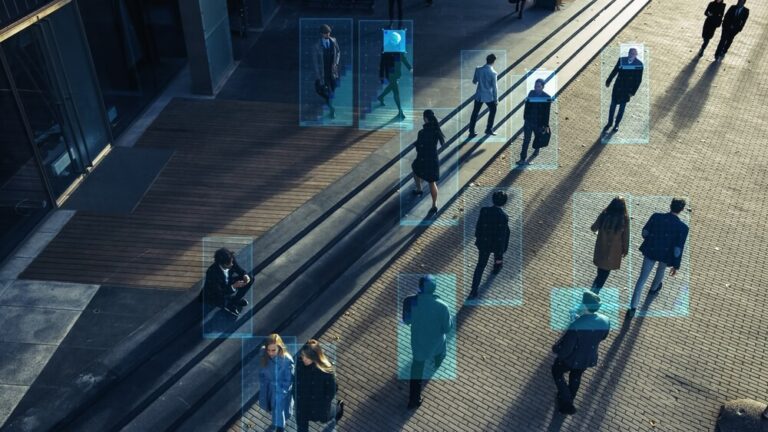
Artificial intelligence is quietly transforming the way immigration enforcement operates in the state of Virginia. In 2025, immigrants will no longer interact only with officers and forms. Now, their digital footprint—whether a social media post, a traffic camera snapshot, or a phone location ping—can enter the immigration system through AI surveillance tools.
If you’re an immigrant living in Virginia, your life is being watched more than ever before. But the real concern isn’t just surveillance—it’s how that data is being used in immigration cases, often without your knowledge or chance to respond. This guide takes a deep, practical look at how AI is influencing immigration decisions and what you must do now to protect your future.
Understanding AI Surveillance in Immigration
AI surveillance refers to advanced technologies that collect, process, and analyze data using artificial intelligence algorithms. These tools don’t just monitor—they detect patterns, flag individuals, and predict outcomes. For immigration authorities, this means a faster and more automated way to track people, verify information, and enforce removal orders.
The key agencies using AI include:
- Immigration and Customs Enforcement (ICE)
- U.S. Citizenship and Immigration Services (USCIS)
- Customs and Border Protection (CBP)
AI tools are used for everything from border screenings and fraud detection to identifying individuals considered “high-risk” for overstays or deportation.
Historical Context: From Manual Files to Digital Fingerprints
Immigration enforcement was once heavily dependent on paper trails and personal interviews. In the early 2000s, initiatives such as the US-VISIT program began collecting biometric data, including fingerprints and photographs. In 2013, ICE began piloting facial recognition tools to identify targets from social media and DMV databases.
By 2020, AI surveillance expanded rapidly across local and federal systems. ICE signed contracts with private tech firms to develop predictive modelling tools while DHS began scanning the social media accounts of visa applicants. In Virginia, many cities installed surveillance cameras that feed directly into state and federal networks, including those with facial recognition capability.
Now, in 2025, these systems have evolved into real-time decision-making tools that can alter the outcome of an immigration case before a lawyer even enters the room.
Where AI Surveillance Is Used in Virginia
AI systems are woven into multiple layers of daily life in Virginia. Immigrants may not realize how often their data is collected and connected to federal immigration databases. Common sources include:
Traffic Cameras and License Plate Readers
Used across cities like Arlington, Fairfax, and Richmond, these devices capture plate numbers and time-stamped locations. ICE can access this data to track movements or confirm addresses in immigration files.
DMV Databases
In some states, including Virginia, motor vehicle records are linked to federal systems. ICE has used driver’s license photos in facial recognition searches, even for individuals who applied through undocumented worker programs.
Cellphone Location Data
Private data brokers sell user movement data, which can be used to estimate who lives at an address or frequents specific places.
Social Media Monitoring
ICE and USCIS use AI to scan public posts, photos, check-ins, and even friends lists to verify claims made in visa applications or asylum cases.
Smart Doorbells and Surveillance Cameras
Some smart home devices collect facial images and store data in cloud-based systems that can be accessed by law enforcement with a warrant.
How AI Data Is Used in Immigration Cases
AI data does not simply sit in a file; it drives decisions. Here’s how it directly impacts immigration outcomes:
Visa Overstay Detection
AI cross-checks travel records, flight manifests, and traffic data to detect possible overstays. Individuals flagged by these systems may face additional scrutiny, denial of status adjustment, or unexpected visits from U.S. Immigration and Customs Enforcement (ICE).
Marriage-Based Green Card Investigations
Algorithms may scan social media for inconsistencies with filed marriage petitions. If a couple claims to live together but posts from different cities, it may raise red flags, even if the data is misunderstood.
Public Charge Evaluations
AI tools are increasingly used to estimate financial risk, track employment history, benefits usage, and even community ties. These scores may influence decisions regarding green cards or visas.
Deportation Risk Scoring
Predictive tools give individuals a “removal risk score” based on past violations, court history, and data trends. This may affect whether someone is detained or released with a bond.
Asylum Case Evidence
Photos, online posts, or protest attendance records may be used to challenge or support asylum claims. Even when truthful, these records can be misinterpreted or taken out of context by automated systems.
Why This Is a Serious Risk for Immigrants
The main issue with AI surveillance in immigration is the lack of human oversight. These tools can make incorrect assumptions, flag innocent behaviour, or ignore context. Worse, immigrants rarely get to see what data has been collected or how it is being used against them.
Some of the most concerning risks include:
- Being placed in removal proceedings based on flawed or misinterpreted data
- Delays or denials in visa or green card applications without clear explanations
- Increased monitoring of mixed-status families, especially where U.S. citizen children are involved
- Hidden data points shape immigration interviews that you were never allowed to explain
This silent form of enforcement means immigrants must be extra cautious, not only in what they say but also in how their entire lives appear online and in public databases.
Steps You Can Take to Protect Yourself
If you’re an immigrant in Virginia in 2025, these actions can help you stay informed and protected:
1. Limit Public Sharing Online
Avoid posting sensitive personal updates, travel photos, or immigration-related details publicly on platforms like Facebook, Instagram, and TikTok.
2. Review Your Digital Footprint
Google your name, review old profiles, and clean up any inaccurate or outdated information that may confuse your immigration case.
3. Use Private Messaging Apps
Switch to end-to-end encrypted platforms for sensitive conversations. These are harder to monitor or misuse in legal settings.
4. Update Address and Legal Documents
Keep all government agencies informed of address changes and immigration updates. Unmatched records may trigger alerts.
5. Work With an Immigration Attorney Early
Legal professionals now consider digital exposure as part of case prep. An immigration lawyer can help you spot risks in your digital history before they become legal issues.
6. Request Your Records
You have the right to file a FOIA (Freedom of Information Act) request to see what data ICE or USCIS may hold on you.
Final Thoughts: Technology Can Be Fought With Knowledge
AI surveillance is not just about machines—it’s about the people caught in the middle. As more tools shape the immigration system, every immigrant in Virginia must take a proactive approach to privacy, online behaviour, and legal protection.
You don’t have to live in fear. But you do have to stay one step ahead.
The right preparation, digital awareness, and legal support can help you control your narrative before AI does it for you.
