
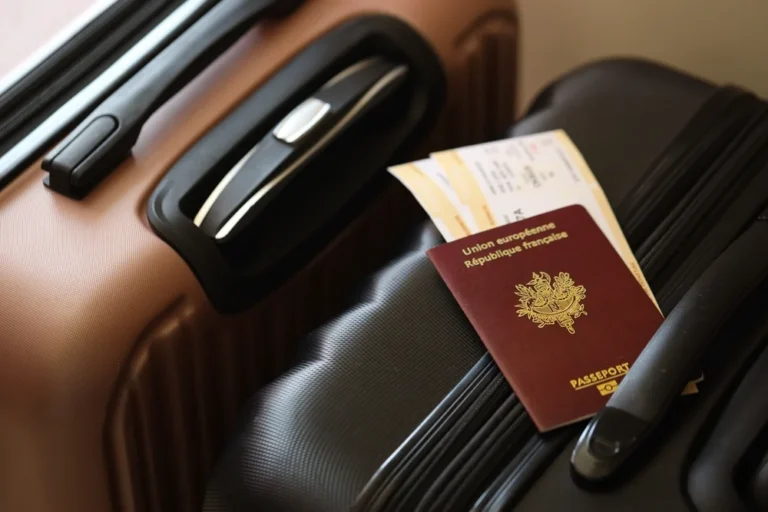
When a travel ban is announced, confusion spreads quickly across immigrant communities. People with pending immigration cases are often the most anxious. Some are waiting for green cards. Others are renewing visas. Many are unsure whether leaving the United States will block their return or whether staying could delay approval.
In 2026, travel restrictions remain among the most unpredictable aspects of immigration policy. Bans can change quickly, apply unevenly, and affect people differently depending on where they are in the process.
If your immigration case is pending and a travel ban is in effect, the decisions you make now can permanently affect your future. This guide explains how travel bans work, how they affect pending cases, and what immigrants in Virginia should do to stay protected.
What a Travel Ban Actually Means
A travel ban does not automatically cancel all immigration benefits. It is a policy tool used by the government to restrict entry from certain countries or to slow processing for specific groups.
Travel bans usually involve:
• Limits on entry at U.S. ports of entry
• Pauses on visa issuance abroad
• Enhanced security screening
• Administrative processing delays
• Discretion given to consular and border officers
A ban may apply only to people outside the United States, or it may affect reentry for people who leave while a case is pending.
Understanding which category you fall into is critical.
Why Pending Cases Are Especially Vulnerable
When your immigration case is pending, your status is often tied to your continued physical presence in the United States. Leaving the country can change how the law applies to you.
Pending cases affected by travel bans often include:
• Adjustment of status applications
• Work permit renewals
• Asylum cases
• Change of status filings
• Family-based petitions awaiting interview
• Employment-based green card cases
In many of these situations, travel without proper planning can result in delays, denials, or abandonment of the case.
If You Are Inside the United States
If you are physically present in the United States while a travel ban is in effect, the safest option in most cases is to avoid international travel.
Remaining inside the country usually allows your case to continue processing, even if delays occur.
If you leave while your case is pending, you may face:
• Denied reentry
• Long administrative processing
• Additional questioning at the border
• Visa cancellation
• Case abandonment
Each of these risks increases during a travel ban.
Adjustment of Status Applicants and Travel
Adjustment of status applicants face some of the highest risks during travel bans.
If you have filed Form I-485 and leave the country without advance parole, your case is automatically considered abandoned.
Even with advance parole, travel during a ban can be risky.
Advance parole does not guarantee reentry. Border officers still have discretion to question and delay admission.
If you are adjusting status in Virginia, travel should only be considered after careful legal review.
Work Permit and Pending Green Card Cases
Many immigrants waiting for green cards rely on work permits to remain employed. Travel bans do not automatically cancel work authorization, but they can delay renewals or cause complications if travel occurs.
Issues may include:
• Delayed EAD approvals
• Problems returning after travel
• Requests for additional screening
• Employer compliance concerns
If your employment is tied to remaining in the United States, staying put may protect both your job and your case.
If Your Family Is Outside the United States
Travel bans often affect family members abroad more severely than applicants inside the country.
Relatives waiting for immigrant visas may experience:
• Cancelled or delayed interviews
• Administrative processing after interviews
• Visa issuance pauses
• Additional documentation requests
If your family’s case is pending at a U.S. embassy, the ban may delay but not halt the process.
Patience and preparation are key.
What If You Are Required to Travel
Some people must travel due to emergencies, employment obligations, or family situations.
If travel cannot be avoided, preparation is essential.
Before traveling, you should:
• Confirm whether the ban applies to your country
• Review your current immigration status
• Check visa validity and reentry requirements
• Carry copies of all immigration filings
• Understand the risks at reentry
• Speak with an immigration lawyer
Travel without preparation during a ban is one of the fastest ways to damage a pending case.
Common Mistakes to Avoid During a Travel Ban
Many immigration problems during bans are caused by misinformation or rushed decisions.
Avoid these mistakes:
• Assuming advance parole guarantees reentry
• Traveling while a case is pending without legal advice
• Ignoring ban announcements or updates
• Relying on social media rumors
• Letting documents expire while waiting
Caution protects your long-term goals.
How Travel Bans Affect USCIS Processing
Even if you do not travel, bans can still affect your case indirectly.
USCIS may:
• Slow adjudication of certain cases
• Issue more Requests for Evidence
• Conduct additional background checks
• Delay interviews
These delays are frustrating but usually temporary.
Remaining compliant and responsive helps your case move forward when restrictions ease.
What Virginia Immigrants Should Do Right Now
If a travel ban is in effect and your case is pending, take action now.
• Review your immigration documents
• Track expiration dates
• Avoid unnecessary travel
• Keep your address updated
• Save copies of all filings
• Prepare for delays
• Seek legal guidance early
Preparation gives you control during uncertainty.
When Legal Help Is Essential
Travel bans change quickly and are applied inconsistently. Legal guidance ensures you do not rely on assumptions.
An immigration lawyer helps by:
• Determining whether the ban applies to you
• Assessing travel risk
• Advising on case strategy
• Communicating with employers or schools
• Responding to government requests
• Protecting against abandonment or denial
Legal advice is most effective before problems arise.
Final Thoughts for Immigrants with Pending Cases
Travel bans are temporary, but the damage caused by a single mistake can be permanent. When your immigration case is pending, caution is not fear. It is a strategy.
Staying informed, staying compliant, and staying patient are often the best choices during restrictions. The Immigration Law Office of Federico Serrano proudly serves immigrants and families across Fairfax, Loudoun, Arlington, and Prince William Counties. We help clients navigate travel bans, protect pending cases, and make safe decisions during uncertain times.
