
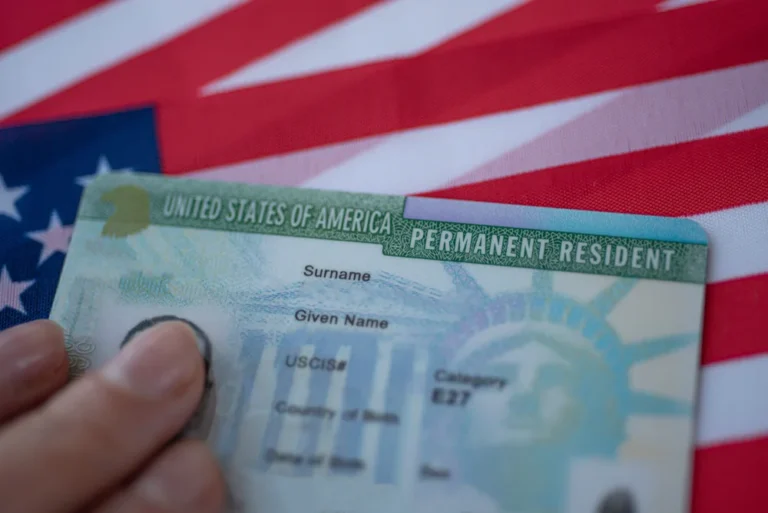
Receiving a green card is one of the most meaningful milestones in an immigrant’s life. It represents security, stability, and the ability to live and work permanently in the United States. Many people believe that once a green card is approved, it cannot be revoked.
That belief is not always true.
In 2026, U.S. immigration authorities will continue to revoke green cards in certain situations. While revocation is not common, it does happen, and it often catches people by surprise. Understanding how and why a green card can be revoked helps you protect your status and avoid mistakes that could place your future at risk.
This guide explains the real circumstances under which a green card can be revoked and what Virginia immigrants should do to stay protected.
What Permanent Resident Status Really Means
A green card makes you a lawful permanent resident of the United States. It allows you to live and work anywhere in the country and eventually apply for U.S. citizenship. However, permanent residence is conditional on continued compliance with immigration and criminal laws.
Unlike citizenship, permanent residence can be lost if certain rules are violated. USCIS and immigration courts have the authority to revoke green cards or place permanent residents into removal proceedings when legal grounds exist.
Common Reasons a Green Card Can Be Revoked
Green cards are usually revoked for actions taken after approval or for problems discovered later in the application process.
Here are the most common reasons revocation occurs.
• Immigration fraud or misrepresentation
• Criminal convictions that trigger deportability
• Abandonment of permanent residence
• Failure to remove conditions on a conditional green card
• Security-related grounds
• Immigration violations after approval
Each of these situations is treated differently under immigration law.
Fraud or Misrepresentation
If USCIS later discovers that a green card was approved based on false information, the agency can revoke the status.
This includes situations where an applicant:
• Provided false documents
• Lied about marital history
• Hid criminal records
• Entered into a fraudulent marriage
• Misrepresented intent at the time of entry
Fraud does not need to be intentional to cause serious consequences. Even mistakes or omissions can constitute misrepresentation if they affect eligibility.
Criminal Convictions After Approval
Certain criminal convictions can make a permanent resident deportable, even years after receiving a green card.
Examples include:
• Drug-related offenses
• Crimes involving moral character issues
• Domestic violence convictions
• Firearms offenses
• Serious theft or fraud crimes
Not every crime leads to revocation, but some convictions trigger mandatory removal proceedings. Immigration law defines crimes differently from criminal law, which often surprises permanent residents.
Conditional Green Cards and Failure to Remove Conditions
Some green cards are issued with conditions, usually in marriage-based cases where the marriage is less than two years old at the time of approval.
These green cards are valid for two years and require filing a petition to remove conditions.
If you fail to file on time or submit insufficient evidence, your status can be terminated.
Common mistakes include:
• Missing the filing deadline
• Filing without enough proof of a real marriage
• Ignoring USCIS requests
• Divorce without legal guidance
Failure to remove conditions is one of the most preventable causes of green card revocation.
Abandonment of Permanent Residence
Permanent residence requires that the United States remain your primary home. Extended time outside the country can raise abandonment concerns.
Factors USCIS and immigration officers consider include:
• Length of time spent outside the U.S.
• Whether you maintained a U.S. residence
• Employment ties in the United States
• Filing U.S. tax returns as a resident
• Intent to return
Spending more than six months outside the country, or one year without proper documentation, can place your status at risk.
Immigration Violations After Approval
Some permanent residents violate immigration rules without realizing it.
Examples include:
• Claiming to be a U.S. citizen when not one
• Voting in federal elections unlawfully
• Failing to notify USCIS of address changes
• Helping others enter the U.S. illegally
These actions can trigger investigations and potential revocation.
What Happens If USCIS Tries to Revoke a Green Card
Green card revocation does not usually happen overnight.
In most cases, the government issues:
• A Notice of Intent to Revoke
• A Notice to Appear in immigration court
• A request for additional evidence
Permanent residents typically have the right to respond, present evidence, and defend their status before a final decision is made.
Ignoring notices or missing deadlines makes the situation worse.
Can a Revoked Green Card Be Recovered
In some cases, yes.
Depending on the reason for revocation, options may include:
• Defending the case in immigration court
• Applying for waivers
• Refilling applications if eligible
• Pursuing relief from removal
Each case is fact-specific. Timing and strategy matter greatly.
How to Protect Your Green Card in 2026
Permanent residents should take proactive steps to protect their status.
• Avoid criminal activity
• File taxes correctly as a resident
• Keep travel records organized
• Maintain strong ties to the U.S.
• Respond promptly to USCIS notices
• Seek legal advice before major decisions
Protection is easier than recovery.
Why Legal Guidance Matters
Immigration law is complex and unforgiving. Many green card holders lose status because they did not know a rule existed.
An immigration lawyer can help by:
• Reviewing risk factors
• Advising on travel and compliance
• Handling USCIS correspondence
• Defending against revocation attempts
• Preparing for citizenship eligibility
Professional guidance provides peace of mind.
Final Thoughts for Virginia Green Card Holders
A green card is a powerful status, but it is not absolute. It comes with responsibilities that must be respected.
The good news is that most revocations are avoidable with awareness, preparation, and timely legal help. Understanding the risks allows you to live confidently and protect the future you worked hard to build. The Immigration Law Office of Federico Serrano proudly serves permanent residents across Fairfax County, Loudoun County, Arlington County, and Prince William County. We help green card holders protect their status, respond to government notices, and defend their right to remain in the United States.
